Fire Pit Cooking: Turn Your Backyard Into an Outdoor Kitchen
There's a reason humans have gathered around fires to cook for thousands of years. Food cooked over an open flame tastes different — smoky, charred, deeply satisfying in a way that no kitchen appliance quite replicates. And you don't need a professional outdoor kitchen to do it. A simple fire pit, a few pieces of cast iron, and some basic technique are all it takes to turn your backyard into the best restaurant in the neighborhood.
Whether you're searing steaks for a weekend dinner or making a full skillet meal for a crowd, fire pit cooking is one of the most rewarding (and surprisingly easy) ways to elevate your outdoor entertaining.
The Essential Gear for Fire Pit Cooking
You don't need much to get started, but the right gear makes a huge difference. Cast iron is the undisputed champion of fire pit cookware — it distributes heat evenly, handles direct flame contact, and gets better with age. Here's what to have on hand:
A Reliable Cast Iron Skillet
If you buy one piece of fire pit cooking gear, make it a cast iron skillet. A 10.25-inch skillet is the workhorse — big enough for a family meal, small enough to manage over coals. Use it for searing steaks, making skillet cornbread, cooking scrambled eggs at brunch, or sautéing peppers and onions for fajitas.

Lodge 10.25 Inch Cast Iron Skillet
The classic American-made cast iron skillet. Pre-seasoned, ready to cook over any heat source — including an open fire pit. This is the single most versatile piece of fire pit cookware you can own.
View on AmazonFor bigger meals or cooking for a group, step up to a 12-inch skillet. The extra surface area lets you sear more steaks at once or make a larger batch of one-pan meals.

Lodge 12 Inch Cast Iron Skillet
The bigger sibling — extra cooking surface for feeding a crowd. Heavy enough to retain serious heat, which is exactly what you want for fire pit cooking where temperatures fluctuate.
View on AmazonA Cast Iron Grill Pan
When you want those classic grill marks on vegetables, fish, or thin-cut meats, a cast iron grill pan gives you the ridged surface without needing a full grill grate setup. The raised ridges also let fat drip away, which is especially useful for cooking over an open fire where flare-ups can be an issue.
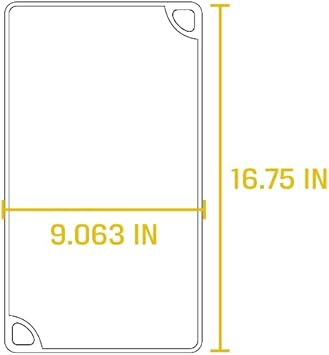
Lodge Cast Iron Square Grill Pan
Perfect for getting grill marks on everything from zucchini to flank steak. The square shape maximizes cooking area, and the ridges create that satisfying char pattern.
View on AmazonFire Pit Cooking Techniques That Actually Work
The biggest mistake beginners make is cooking over open flames. You want to wait until your fire burns down to a bed of glowing coals — this gives you consistent, even heat without the flare-ups that char food unevenly.
The Two-Zone Method
Bank your coals to one side of the fire pit, leaving the other side empty. This gives you a hot zone for searing and a cooler zone for resting or slow-cooking. It's the same principle as a two-zone grill setup, and it makes fire pit cooking much more forgiving.
Direct Coal Cooking
For the most intense heat, place your cast iron directly on the coals. This works best for quick-searing steaks, cooking flatbreads, or making skillet desserts that need a hard bottom crust. Use a bed of coals about 3–4 inches deep for stable heat.
Grate Cooking
A grill grate set over the fire pit gives you the most traditional grilling experience. Position it 6–8 inches above the coals for moderate heat, or lower for high-heat searing. This is the best setup for burgers, sausages, and chicken pieces.
Best Foods to Cook Over a Fire Pit
Not everything cooks well over an open fire. Here are the categories that work best:
Quick Sear Meats
- Steaks: Ribeyes, NY strips, and filets — pat dry, season generously, sear 3–4 minutes per side over hot coals
- Burgers: Thick patties over medium coals, 4–5 minutes per side
- Sausages: Indirect heat first, then sear over direct coals for the last 2 minutes
One-Skillet Meals
- Skillet fajitas: Sliced peppers, onions, and seasoned chicken or steak in a hot cast iron
- Campfire nachos: Layer chips, cheese, beans, and toppings — cover with foil and set over coals
- Shrimp stir-fry: High heat, quick cook, smoky flavor that beats any kitchen version
Dutch Oven Favorites
- Chili: Brown the meat in the skillet, then transfer to a Dutch oven with coals on top and bottom
- Skillet cornbread: Preheat the skillet over coals, add batter, cover with coals on the lid for even baking
- Cobbler: Canned fruit on the bottom, cake mix on top, coals on the lid — dessert in 30 minutes
Setting Up Your Fire Pit Cooking Station
A dedicated cooking station makes the experience smoother and safer. Here's a simple setup:
- Stable surface: Use a fire pit with a flat rim or a separate grate system. Never balance cookware on uneven rocks.
- Tool station: Keep long-handled tongs, a spatula, and heat-resistant gloves within arm's reach.
- Prep area: A folding table next to the fire pit for staging food and ingredients.
- Lighting: Good patio lighting lets you cook safely after dark. String lights are the easiest way to illuminate your cooking area.

Camp Chef Everest 2 Burner Stove
A portable two-burner stove that pairs perfectly with fire pit cooking. Use it for side dishes, sauces, or boiling water while your main course cooks over the fire. Also works as a backup when conditions don't allow an open flame.
View on AmazonSafety Tips for Fire Pit Cooking
- Place your fire pit on a non-combustible surface — stone, gravel, or bare dirt. Never on a wood deck.
- Maintain at least 10 feet of clearance from structures, fences, and overhanging branches.
- Keep a garden hose or fire extinguisher within reach at all times.
- Use heat-resistant gloves — regular oven mitts aren't rated for open-flame temperatures.
- Never use lighter fluid on a cooking fire. Start with newspaper, kindling, and a chimney starter.
- Fully extinguish all embers before leaving the fire pit unattended. Douse with water and stir the ashes.
- Check local fire pit regulations — some areas restrict open burning during dry seasons.
Final Thoughts
Fire pit cooking doesn't require fancy equipment or years of experience. Start with a cast iron skillet, some good coals, and a simple recipe like steak or skillet cornbread. Once you taste the difference that live-fire cooking makes, you'll find yourself reaching for the cast iron every time you light the fire pit.
The beauty of outdoor fire cooking is its simplicity. No digital controls, no precise temperature settings — just heat, iron, and food. It's the oldest form of cooking, and it still delivers the best results.